
Caring for a Paralyzed Dog: Compassion, Confidence, and Hope
Finding out your beloved dog has paralysis can feel overwhelming and heartbreaking. Suddenly, the daily routine you once took for granted shifts dramatically. Whether paralysis came from injury, illness, or a neurological condition, your dog’s care needs change — and so do yours.
But here’s the truth: caring for a paralyzed dog is a journey filled with challenges and incredible moments of love, resilience, and connection. With the right knowledge, tools, and support, you can provide your dog with a comfortable, joyful life — and take care of yourself along the way.
Understanding Paralysis: What It Means (and Doesn’t)
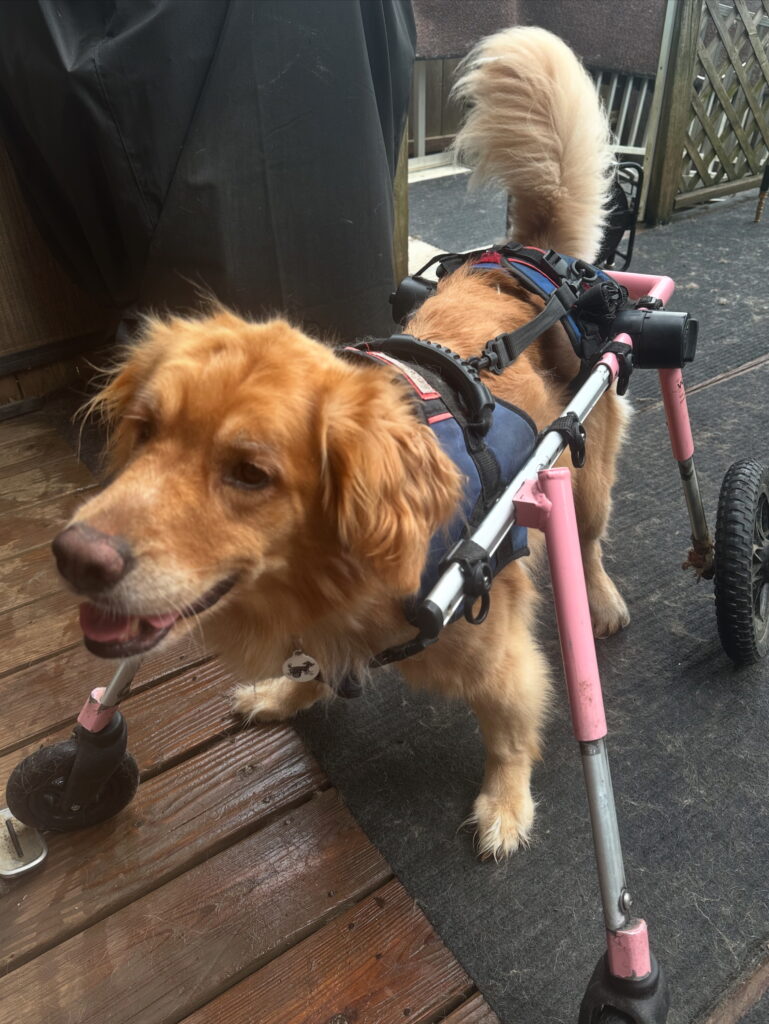
Paralysis doesn’t always mean the end of movement or quality of life. It means some muscles don’t respond the way they used to, making mobility and bodily functions harder. Your dog might need help standing, walking, or even controlling bladder and bowel movements.
Knowing what paralysis involves helps you approach care with realistic expectations — and hope for your dog’s wellbeing.
Mastering the Basics: Daily Care Made Doable
Your dog’s day-to-day needs may include:
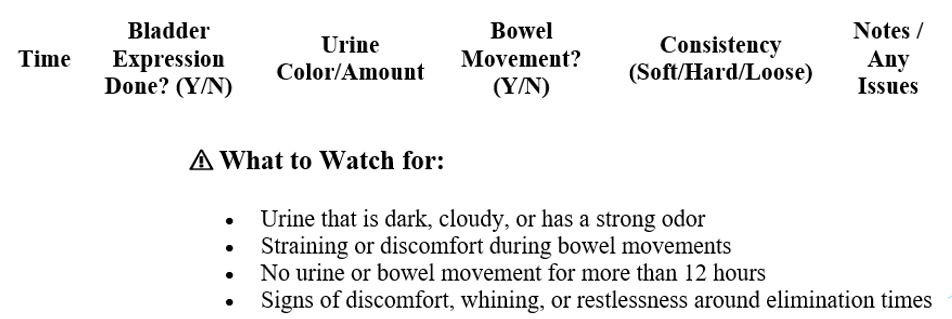
- Bladder and bowel care: Regularly expressing the bladder to prevent infections and discomfort.
- Mobility support: Using slings, harnesses, or even dog wheelchairs to assist movement.
- Skin care: Preventing pressure sores by changing positions often and using orthopedic bedding.
- Feeding and hydration: Making mealtime comfortable with elevated bowls or special diets.
Checklists and routines can take the guesswork out of caregiving and help you feel more confident.
Caring for You: The Essential Part of the Equation
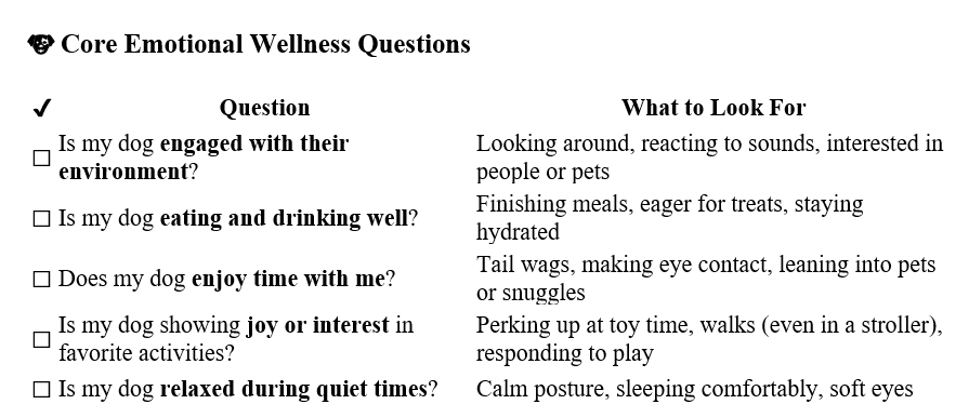
It’s normal to feel exhausted, guilty, or isolated when caring for a paralyzed dog. Caregiver burnout is real and can affect both you and your dog’s wellbeing.
Remember to:
- Recognize your own limits and ask for help when needed.
- Set small self-care goals — even a few minutes of mindfulness or a quick stretch can recharge you.
- Connect with support groups and other pet owners who understand your experience.

Embracing the Journey: Celebrate Every Win
Every small victory — a successful bladder expression, a wagging tail, a comfortable nap — is worth celebrating. These moments remind us why we keep going, despite the hard days.
Stay connected to your vet, support networks, and your own inner strength. You are not alone, and your dog’s life is full of meaning and love.
Final Thoughts
Caring for a paralyzed dog is a profound act of compassion. It teaches patience, empathy, and resilience. With knowledge and community, you can create a nurturing environment where your dog thrives — and you do too.
If you’re looking for step-by-step guidance, support, or just a community of understanding hearts, consider joining a course or support group focused on paralyzed pets. You don’t have to figure it all out alone.